
The Business of Breeding
When life becomes a product. From puppy mills to exotic bird markets, the commercial pet trade often creates suffering for profit.
While responsible breeders exist, the vast majority of the pet trade in India is unregulated and cruel. Animals are treated as inventory, housed in crampled conditions, and bred until exhaustion. This industry thrives on consumer ignorance.
The "Factory" Model
Whether it's dogs, cats, or birds, commercial breeding facilities (often called "mills") share common traits:
- Volume over Quality: Maximizing the number of offspring per year.
- Poor Hygiene: Small, stacked wire cages with little sanitation.
- Lack of Vet Care: Sick animals are often untreated to save costs.
- Genetic Defects: Inbreeding is common to "fix" certain looks (like flat faces).
The Dog Trade
The "Purebred" Price
Selective breeding for extreme physical traits has created health nightmares:
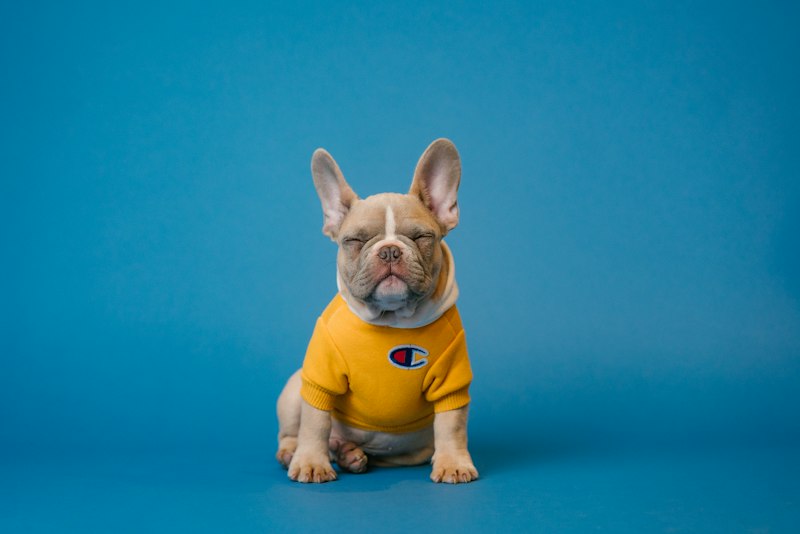
- Pugs & Frenchies: Brachycephalic (flat-faced) dogs struggle to breathe their entire lives.
- Large Breeds (St. Bernards, Huskies): Prone to heatstroke in India and hip dysplasia.
- "Teacup" Breeds: Runts bred with runts, leading to fragile bones and organ failure.
The Indie Advantage
Native Indian dogs (Indies) have evolved naturally over thousands of years.
- Climate Adaptive: Thriving in Indian heat and monsoons.
- Genetic Diversity: Stronger immune systems, fewer hereditary diseases.
- Intelligent: Street-smart and highly trainable.
The Cat Crisis
The demand for Persian and Scottish Fold cats has exploded, leading to "Kitten Mills".
- Persian Cats: Their flat faces cause breathing issues and tear duct blockages. Their long coats require daily maintenance often neglected by owners. also prone to Polycystic Kidney Disease (PKD).
- Scottish Folds: The folded ears are a result of a genetic mutation affecting cartilage. This same mutation causes painful arthritis in their joints.
Birds & Small Animals
Promoted as "starter pets", these animals suffer immensely in the trade.
Birds
Native birds (Parakeets, Munias) are illegal to keep. Exotic birds are often kept in cages too small for flight, leading to muscle atrophy and psychological distress (feather plucking).
Rabbits
Often sold as unweaned babies (milk-dependent) which die within weeks. Kept in wire cages that damage their feet.
Fish
"Tank Busters" like Redtail Catfish grow to 3-4 feet but are sold for small aquariums. Betta fish are sold in tiny cups, leading to ammonia poisoning.
Legal Framework
The Pet Shop Rules (2018) and Dog Breeding Rules (2017) regulate the trade:
- Bans sale of animals under 8 weeks (puppies/kittens).
- Mandates registration with State Animal Welfare Boards.
- Requires veterinary records for every animal sold.
- Microchipping is mandatory for dogs.
Red Flags When Buying
If you must buy (instead of adopt), avoid breeders who:
- Keep animals in cages 24/7.
- Refuse to show you the mother or the facility (meet in parking lots).
- Have no vaccination records.
- Separating babies from mothers before 2 months.